How Quickly Can You Start a Conflict Management Coaching Session?

Key Takeaways
Coaching vs mediation
Conflict management coaching supports one person’s skills and choices, while mediation involves everyone in the conflict together.
Check your readiness
Emotional steadiness, willingness to change and time commitment are key signs you are ready for coaching.
Prioritise your issues
Focus coaching first on issues that feel both urgent and highly impactful on your relationships and daily work.
Look for sustainable change
Successful coaching shows up as clearer communication, stronger boundaries and more deliberate responses under pressure.
Start with a short call
A brief introductory call with Sophie helps clarify whether coaching, mediation or another service best fits your situation.
Understanding the Conflict Management Coaching Process
You can usually move into conflict management coaching quite quickly once you have decided it is right for you and found a coach whose availability and approach fit your needs. The timing depends on factors like scheduling, clarity about your goals and the complexity of your situation.
Conflict management coaching is one-on-one work that focuses on helping you build your own conflict skills and strategies, rather than having someone else step in to solve the issue for you. The aim is to support you to navigate difficult conversations respectfully and assertively, so you can advocate for yourself with more confidence.
In coaching, you and the coach explore what is happening, how you typically respond under stress and what might serve you better. Sessions are structured but conversational, with time for reflection, practical planning and sometimes role-play or rehearsal for upcoming discussions.
Conflict management coaching differs from mediation in an important way. Mediation involves multiple people in conflict working together with a neutral third party to change the dynamics of their relationship. Coaching supports just one person at a time, helping them clarify their goals, expand their options and choose how they want to show up in the conflict.
This individual focus means you can start working on your side of the conflict even if others are not ready to participate in a joint process. Over time, that often changes the tone and direction of the situation, because your responses and choices become more intentional.
Identifying Your Readiness for Conflict Coaching
Before you book conflict management coaching, it helps to pause and decide whether now is the right moment for this kind of work. Coaching asks you to look honestly at your own patterns in conflict and to experiment with new ways of responding, which can feel stretching as well as useful.
A simple self-check can make the process more effective and prevent you from stepping in before you have the time, energy or stability to engage well. Many people find they are more ready than they first thought once they name what support they will need around the coaching.
You do not need to feel calm or confident to begin, but you do need enough emotional steadiness to talk about the situation without becoming overwhelmed. If you are unsure, discussing this in an initial conversation with a coach can help you choose pacing and boundaries that feel workable.
Emotional readiness: You can describe what is happening without feeling completely flooded, even if it is still painful or frustrating.
Willingness to change: You are open to the idea that your own reactions and choices may need to shift, not just other people’s behaviour.
Commitment to the process: You can set aside regular time for sessions and any small between-session homework you agree with your coach.
Safety and support: You have, or can put in place, personal and workplace supports so that coaching conversations do not leave you isolated.
Clarity of purpose: You have at least a rough idea of what ‘better’ would look like for you, even if you do not yet know how to get there.
If some items in this checklist are not yet in place, that does not mean coaching is off the table. It may simply mean you and a coach start more gently, or focus first on stabilising your situation and building basic self-care around the conflict.
Key Indicators of Conflict in the Workplace
People often delay seeking support because they hope a difficult situation will settle on its own. Over time, though, patterns can harden and begin to affect work performance, wellbeing and relationships across the team.
Spotting early indicators of conflict helps you decide when individual conflict management coaching might be useful. It can also guide you in clarifying which issues feel personal and which may signal wider cultural concerns that need organisational attention.
Many conflicts show up first as subtle shifts in day-to-day behaviour, rather than open arguments. Paying attention to these signals can help you act before the situation escalates into a formal complaint or a crisis for the workplace.
Communication breakdowns: Emails become curt, people stop speaking directly to each other, or important information is withheld or filtered through others.
Team dynamics issues: Meetings feel tense, certain voices dominate while others withdraw, or decisions stall because no one wants to address disagreements.
Boundary friction: Disputes arise over workload, roles, expectations or respect for time off, leading to resentment or passive resistance.
Avoidance and workarounds: People re-route tasks or communication to avoid particular colleagues, or skip joint projects where conflict is likely.
Emotional spillover: You or others feel dread before work, replay conversations at home, or notice increased irritability and distraction during the day.
If you recognise several of these signs in your own experience, conflict management coaching can provide a structured space to think through your options. It focuses on what is within your control, without asking you to carry responsibility for the entire workplace.

Prioritizing Issues for Coaching Sessions
Once you have decided to engage in conflict management coaching, it is common to arrive with a long list of concerns. Not every issue can be explored in depth at once, so it helps to decide which ones to focus on in the early sessions.
A simple way to sort this out is to look at each issue through two lenses: how urgent it feels and how much impact it has on your relationships and daily functioning. The matrix below is a practical tool many people use to organise their thoughts before or during coaching.
Issue | Urgency for You | Impact on Workplace Relationships | Good Fit for Early Coaching Sessions? |
|---|---|---|---|
Recurring argument with a colleague | High – conversation scheduled soon or affecting daily work | High – tension noticed by others, affecting collaboration | Yes – preparing for upcoming conversations can be very useful |
Old resentment about a past decision | Medium – bothers you, but not driving immediate tasks | Medium – colours how you see leadership, but not daily work | Maybe – useful once immediate pressures feel more manageable |
General discomfort speaking up in meetings | Low to medium – no specific deadline | High – limits your contribution and visibility | Yes – strong candidate for coaching, even without a single triggering event |
Mistaken email that caused embarrassment | High initially, then easing | Low – quickly forgotten by others | Usually no – may resolve with time and a simple clarification |
Issues that are both urgent and high-impact usually deserve attention first, because small shifts there can change your day-to-day experience. Your coach can then help you plan how to move through the remaining items in a way that feels steady rather than overwhelming.
How Conflict Management Coaching Facilitates Resolution
Conflict management coaching supports resolution by slowing things down enough for you to see the conflict from multiple angles. Instead of reacting on autopilot, you practice responding with more clarity about your needs, limits and values.
One central technique is active listening, both toward yourself and others. In coaching, you notice what emotions and stories are present for you, then consider what might be driving the other person’s behaviour, even if you strongly disagree with it.
Reframing is another common tool. You work with your coach to describe the situation in language that reduces blame and focuses on specific behaviours and impacts, which often makes difficult conversations safer and more productive for everyone involved.
Goal setting anchors the work in practical change. Together you identify what you want to be different, such as speaking more calmly in meetings or setting clearer boundaries, and then break that down into small, realistic actions you can test between sessions.
Many coaches also use structured preparation for tough conversations, including planning key messages, anticipating reactions and practising respectful, assertive responses. Over time, these skills contribute to what is sometimes called conflict competence: your capacity to meet conflict without losing your footing.
Characteristics of Successful Conflict Coaching Outcomes
People often ask how they will know if conflict management coaching has been worthwhile. Because every situation and person is different, success is less about a particular result and more about shifts in how you experience and handle conflict.
It can help to agree on some indicators with your coach early on, so you both have a shared sense of what progress might look like. These indicators stay flexible and can be adjusted as your understanding of the situation changes.
Useful indicators focus on behaviour and capacity rather than perfection. They are about what you are able to do more consistently, even under pressure, rather than never feeling stressed or upset again.
Improved communication: You are clearer and more specific in difficult conversations, and feel less need to avoid or rush them.
Reduced conflict incidents for you: You notice fewer misunderstandings escalating, because you address concerns earlier and with more care.
Enhanced collaboration: Joint work with previously difficult colleagues becomes more workable, even if you are not close or fully aligned.
Stronger boundaries: You can say no or propose alternatives without excessive guilt or fear, and you follow through on what you have agreed.
Increased self-awareness: You can describe your own triggers and preferred strategies in conflict, and choose among them more deliberately.

Creating a Sustainable Conflict Coaching Environment
For conflict management coaching to have lasting value, the environment around you needs to support the changes you are making. That includes both your own habits and, where possible, the broader culture of your workplace.
On a personal level, sustainable change often looks like building small, regular practices into your week: brief reflections after tricky conversations, checking in with your body before sending a difficult email, or scheduling time to prepare for meetings where you anticipate tension.
Workplaces can reinforce this learning by treating conflict skills as part of everyday professional development, not as something that is addressed only when there is a serious problem. This reduces stigma and encourages people to seek support earlier.
Over time, strategies such as regular training, peer support conversations and feedback mechanisms can help embed these principles into the way teams operate. Even simple norms, like agreeing how to raise concerns or request a reset after a heated interaction, can make it easier to use what you learn in coaching.
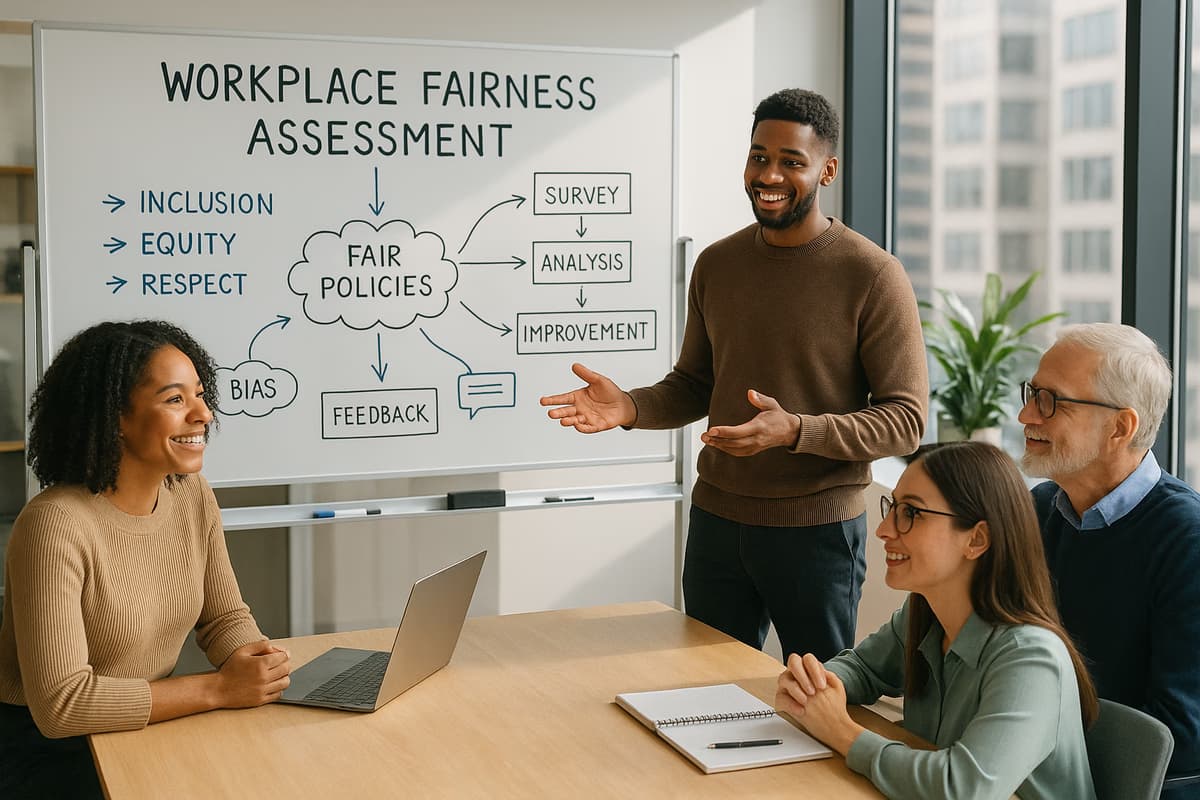
Where organisations are looking more deeply at fairness and culture, structured processes such as workplace fairness assessments or workplace restoration work can sit alongside individual coaching. These approaches focus on systems and culture, while coaching concentrates on your personal capacity within that wider context.
Next Steps in Your Conflict Coaching Journey
Once you feel ready to explore conflict management coaching, a clear roadmap makes the process less daunting. You do not need every detail worked out before you start; you only need the next few steps.
Beginning with a brief, low-commitment conversation is often the easiest way to test whether a particular coach and approach feel like a good fit. From there, you can decide how intensively you want to work and how coaching might connect with any other support you have in place.
Clarify your main goals for coaching, even if they are rough: for example, preparing for a conversation or feeling steadier at work.
List practical constraints, such as preferred days, times and whether you need virtual sessions, so you can discuss these upfront.
Book an introductory call with a coach to describe your situation, ask questions about their approach and discuss safety considerations.
Decide together whether coaching is appropriate now, and if so, agree on an initial number of sessions and broad focus areas.
Schedule your first session, set basic ground rules for confidentiality and boundaries, and plan any small preparation you will do beforehand.
It is entirely acceptable to pause after an introductory call and reflect before you commit. Taking that time is part of acting thoughtfully in a difficult situation, not a sign of hesitation or failure.
The Role of Sophie Callander in Conflict Coaching
Sophie Callander offers conflict management coaching as part of a wider set of services designed to support healthier workplaces and communities in British Columbia. Her work is grounded in a trauma-informed approach that centres fairness, dignity and psychological safety.
In individual coaching, Sophie works one-on-one with people experiencing interpersonal or workplace conflict, helping them discover within themselves the solutions to their conflict challenges. This includes setting realistic dispute resolution goals and planning how to navigate challenging conversations in a respectful, assertive way.
Coaching may stand alone or sit alongside other services that Sophie provides, such as mediation, workplace fairness assessments and workplace restoration, depending on what the situation calls for. For example, if wider culture issues are emerging, a workplace might explore a fairness assessment, described further in her article on what happens in a workplace fairness assessment.
Sophie delivers services both in person and virtually, depending on needs and budget, and uses a flexible approach rather than a rigid methodology. She proceeds only where she is confident she can ensure safety in the process, and once both people in a conflict are ready to meet jointly, she can build a mediation process to suit their needs.
A practical next step is to book a free 15-minute introductory call through her online booking system. In that conversation, Sophie asks questions to understand your situation and then suggests whether conflict management coaching, mediation or another service she offers might be the most suitable way forward.